Sponsored article
How to Use Pattern Codes in Bolesławiec Pottery and Combine Designs into a Coordinated Set
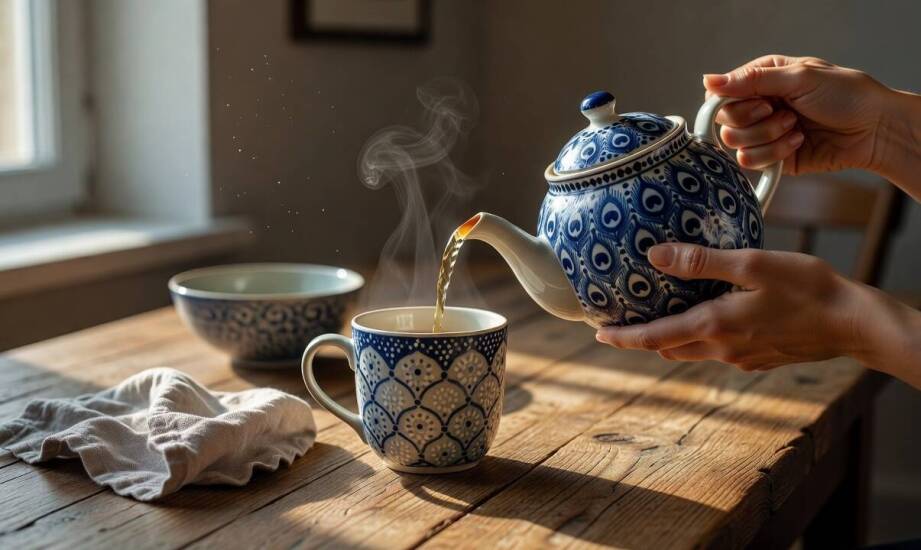
Understanding pattern codes makes it much easier to build a Bolesławiec tableware collection consciously. Hand-decorated pottery offers a wide variety of designs, so when choosing new pieces it is worth looking not only at the shape of a mug, plate or bowl but also at the code assigned to its decoration.
A pattern code helps identify a particular design and makes it easier to plan a coordinated table setting. This is especially useful when a collection is built gradually rather than purchased as a complete set at once.
What Do Bolesławiec Pottery Pattern Codes Mean?
Specific decorative designs used in boleslawiec pottery are identified with letter-and-number codes.
Examples available in the current collection include 70MI, DPLC and 61A.
These codes make it easier to recognise a particular decorative family and check whether a new cup, plate, bowl or teapot belongs to the same design as pieces already in your collection.
This can be particularly useful with patterns that may look similar at first glance. Differences in the arrangement, size or density of stamped elements can significantly change the appearance of a design.
A code therefore provides a more precise reference than colour or a photograph alone.
The same pattern may also be used on several different ceramic forms, making it possible to build a coordinated collection without limiting yourself to one type of tableware.
Why Is It Useful to Know the Pattern Code Before Buying?
Pattern codes become particularly helpful when a collection is expanded over time.
If a favourite mug breaks or you later decide to add another cup, plate or serving dish, knowing the pattern code makes it easier to search for a matching design.
Manufaktura in Bolesławiec uses pattern codes in its product names, allowing customers to identify different decorative variants across the collection.
Instead of relying only on a product photo or general similarity of colour, you can search for a specific code.
It is worth remembering, however, that Bolesławiec pottery is decorated by hand.
Even pieces carrying the same pattern code may show small differences in the position of individual stamps, the amount of colour applied or the arrangement of particular motifs.
These subtle variations are a natural feature of handcrafted ceramics rather than a sign that the products belong to different designs.
Can You Combine Tableware with Different Pattern Codes?
A tableware collection does not have to be limited to one decoration.
Different Bolesławiec patterns can work very well together when they share a similar colour palette or decorative character.
One option is to choose a dominant design and combine it with calmer patterns.
A large teapot, serving bowl or platter can become the main decorative element, while cups, smaller plates and mugs provide a more subtle background.
When mixing different patterns, it is useful to consider:
colour palette – similar shades of cobalt, green or brown help create visual consistency;
pattern density – a richly decorated piece can be balanced with a simpler design;
scale of the motifs – very large elements can compete with much smaller repeated patterns;
type of decoration – floral and geometric designs can work together when they share a common colour base.
How Can You Create a Balanced Set from Several Patterns?
The easiest approach is to begin with one strong element.
This could be a large teapot, bowl, platter or jug. Its decoration can then become the reference point for the rest of the table.
For example, a piece in 70MI can be combined with selected DPLC items if the colours and overall intensity of the patterns work well together.
A 61A bowl can also become a central element surrounded by plates or cups with less dominant decoration.
The aim is not to make every piece identical but to create a deliberate relationship between them.
When colour, scale and pattern density are considered together, a mixed tableware collection can look intentional rather than accidental.
Pattern codes are therefore a practical tool for organising and expanding a Bolesławiec pottery collection. They help identify a specific design, find additional pieces and build a matching set over time.
At the same time, there is no need to restrict the table to a single code. Different decorations can be successfully combined by paying attention to colour, motif scale and the overall balance of the arrangement.
Article categories
You might be interested

Why do pickled vegetables change the face of gastronomy?

Cassock as an Element of Clergy Identity: Its Functions and Significance

How can a law firm support SMEs in the face of AI regulations?
